Please ensure Javascript is enabled for purposes of website accessibility

Resource

The Main Causes of High Cholesterol: A Road Map to a Heart Attack

Precision Health & Biomarker Insights

October 3, 2025 - 8 Min Read

Rudy Inaba

Rudy Inaba

Senior Vice President of Health Performance

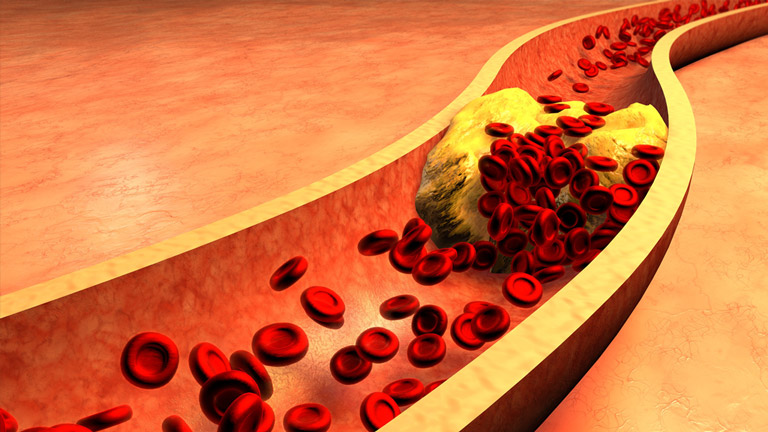
A clogged artery, the cause of high cholesterol

High cholesterol is very common in the U.S., but being commonplace doesn’t make it any less serious. While 95 million U.S. adults over the age of 20 are believed to have high cholesterol, it’s possible there are many more undiagnosed cases. Oftentimes, people who have high cholesterol don’t know they have it. This is concerning considering the fact that high cholesterol is associated with serious health issues such as heart attack and stroke.

Despite its widespread nature, there are many things most of us don’t know about cholesterol. From understanding the differences between “good” and “bad” cholesterol to determining what you can do to improve your levels, there’s a lot to learn about this health phenomenon. Luckily, even if you’ve been diagnosed with high cholesterol or have a family history of the condition, there are many risk factors within your power to change. Explore what you need to know about high cholesterol below.

What is High Cholesterol?

Cholesterol is a waxy substance naturally produced by the liver. It’s a type of lipid which is crucial to the development of cell membranes, vitamin D, and key hormones. Yet, while it plays a critical role in these functions, having high cholesterol can be dangerous—particularly when there’s too much “bad” cholesterol. Thus, to understand the ways in which cholesterol can impact our health, it’s important to first explore the different types.

Types of Cholesterol

Because cholesterol can’t dissolve or move through the blood on its own, it must be attached to proteins to be transported throughout the body successfully. The combination of cholesterol and proteins is referred to as lipoprotein. There are two main forms of lipoproteins:

  • Low-density lipoprotein (LDL): Also known as the “bad” type of cholesterol, LDL carries particles of cholesterol through the blood. It can also accumulate within the artery walls, causing them to harden and narrow.
  • High-density lipoprotein (HDL): Commonly referred to as the “good” cholesterol, HDL carries excess cholesterol back to the liver.

If your body has too much LDL, you could face an increased risk for serious health issues. Alarmingly, however, high cholesterol exhibits no symptoms, and the only way to test for high cholesterol is to have a blood draw.

Causes of High Cholesterol

The causes of high cholesterol span far and wide. Some contributing factors are within an individual’s control to change, while others are not. For example, while diet, weight, and exercise levels can influence HDL, factors such as age, gender, and genes can also contribute to LDL or HDL levels. Thus, the best way to maintain healthy cholesterol levels and thus support better cardiovascular health is to focus on the factors within your control to change. Let’s take a closer look at the causes behind high cholesterol.

  • Diet: Cholesterol comes from two sources. While the liver produces all the cholesterol the body needs, we also take in cholesterol from foods derived from animals. This isn’t to say that eating meat or dairy products are bad for you. Foods with trans fats, however, cause the liver to produce even more cholesterol, which can lead to high cholesterol levels in some individuals. In addition to heavily processed animal products with trans fats, many baked goods can also trigger the liver to produce excess cholesterol.
  • Exercise Habits: Having a sedentary lifestyle can contribute to high LDL cholesterol. Regular aerobic activity, in particular, can help control LDL and in some cases promote healthy HDL levels.
  • Weight: A large waist circumference and obesity are also associated with high cholesterol.
  • Smoking: Smoking can lower your good HDL cholesterol, but it can compromise cardiovascular health in many other ways. In itself, smoking can increase the buildup of plaque in the blood vessels, damage the cells that line the blood vessels, and cause the vessels to thicken and narrow.
  • Age & Gender: Cholesterol levels tend to rise naturally as we age. Prior to menopause, women’s total cholesterol levels tend to be lower than their male peers. After reaching menopause, however, their LDL cholesterol levels tend to rise, and HDL may also decrease.
  • Hereditary Factors: Genetics play a role in the amount of cholesterol the body produces. High cholesterol can run in families, so individuals with relatives who have high cholesterol should be especially proactive in getting their levels checked.

Dangers of High Cholesterol

Having high LDL cholesterol increases the risk for heart disease, the leading cause of death in the U.S. Heart disease refers to a range of conditions that can affect the heart, many of which can lead to heart attack or stroke. Also known as hypercholesterolemia, high LDL increases fatty deposits within the arteries, thereby also increasing the risk of blockages. When cholesterol builds up on the artery walls, it forms what’s known as cholesterol plaque. This plaque can restrict blood flow, also increasing the risk for blood clots. Should a blood clot block the artery in the heart or brain, it can lead to a heart attack or stroke.

The good news is that high cholesterol can be treated with medication and managed through lifestyle modifications. First, however, you must know where you stand. Here is a general scale of LDL cholesterol numbers and what they mean.

  • Less than 100: optimal
  • 100-129: near-optimal
  • 130-159: borderline
  • 160-189: high
  • 190 or higher: very high

Keep in mind that in addition to having high LDL, having low HDL (again, the “good” cholesterol) can also put you at risk for heart disease. Thus, this too should be measured, with an ideal score of 60 or more. If HDL is less than 40, it could be considered a risk factor.

The American Heart Association advises every adult over the age of 20 to have their cholesterol tested every four to six years, but these figures will vary based on the factors outlined above and on previous clinical indications.

Should high cholesterol be discovered in your blood test results, there are many ways to begin controlling it.

Ready To Start Your Transformation To Better Health?

Learn how the Cenegenics program can help you feel your best.

How to Lower Cholesterol Levels

Lifestyle and diet changes are among the most effective ways to prevent and lower LDL. Additionally, if you’re a smoker and haven’t already done so, make a plan to quit. Here, we’ll explore some detailed changes that work well for lowering LDL cholesterol.

Dietary Changes

While there are many wise eating habits you can incorporate into your dietary plan to improve cholesterol levels, the lowest cholesterol levels are found in diets with the highest soluble fibers. Diets high in soluble fiber often align with the typical anti-inflammatory diet, which emphasizes foods like kidney beans, Brussels sprouts, and apples. Soluble fiber has the ability to reduce cholesterol absorption in the blood, making it a powerful nutrient for individuals with high LDL cholesterol.

Additionally, eliminating trans fats found in margarine and store-bought, processed snack foods can help to reduce cholesterol. Individuals may also wish to incorporate foods rich in omega-3 fatty acids such as walnuts, flaxseeds, salmon, and mackerel. While these foods won’t affect LDL cholesterol themselves, they do have other cardiovascular benefits, such as the ability to help reduce blood pressure.

Exercise

Regular physical activity can support better cholesterol by increasing HDL. Generally, most individuals can benefit from 30 minutes of exercise five times per week, or 20 minutes of high-intensity exercise three times a week. With that being said, it’s important for each person to work with an experienced physician who can make exercise recommendations based on the individual’s starting physical health.

Losing weight is another helpful way to control cholesterol, which can often be achieved with a strategic approach to dieting and exercising. Reducing alcohol consumption may also help to control cholesterol levels.

In some cases, medications may be needed in conjunction with the lifestyle and dietary changes described above to control especially high cholesterol levels. Even if medications are needed, maintaining a healthy lifestyle can help keep medication doses as low as possible.

Understanding Your Risk for High Cholesterol – In Conclusion

Because it exhibits no outward symptoms, high cholesterol is a dangerous threat to health, which can have serious implications if left unaddressed. Its impact on heart health cannot be overstated, and while there are some factors that are beyond an individual’s control to change, many behaviors that influence cholesterol can be modified.

At Cenegenics, your individualized treatment plan begins with a comprehensive lab panel to test for underlying health issues, such as high LDL or low LDL cholesterol. Based on the findings, our clinical team devises tailored roadmaps to help you become healthier and enjoy a better overall quality of life. For instance, while our approach to healthy eating and exercise will certainly help to lower high cholesterol with ongoing compliance, it can also support weight loss, improve cardiovascular health, and reduce the risk for disease. With the knowledge that the many measures of health are complex and often interconnected, we treat the entire patient, not just a single symptom or isolated condition.

If you’re interested in controlling your cholesterol and optimizing your wellness overall, contact your nearest Cenegenics location for more information.

Next Steps to Controlling Your Cholesterol

Our world-class physicians create a personalized plan to help you feel 10+ years younger. You’ll be more energetic, lose weight, sleep better, have more libido, and think more clearly. Click below to schedule a free consultation with one of our physicians. It’s quick + easy.
Ready To Start Your Transformation To Better Health?

Learn how the Cenegenics program can help you feel your best.

Rudy Inaba

Contributor: Rudy Inaba, Senior Vice President of Health Performance

Rudy Inaba is Cenegenics’ Senior Vice President of Health Performance. He is a recognized fitness and sports nutrition consultant with nearly 15 years of experience in clinical exercise physiology and lifestyle management. After pursuing his Master of Science in Clinical Exercise Physiology at the University of Nevada Las Vegas, Rudy joined Cenegenics where he leads 19 clinical locations nationwide in their advancements in kinesiology, nutritional biochemistry, and their analyses of industry research & market trending.

"Healthy citizens are the greatest asset any country can have."

Winston S. Churchill

Reference Links:

"CDC, “High Cholesterol Facts.”"
https://www.cdc.gov/cholesterol/facts.html
"CDC, “High Cholesterol Facts.”"
https://www.cdc.gov/cholesterol/facts.html
"Cleveland Clinic, “Cholesterol Numbers: What Do They Mean.”"
https://my.clevelandclinic.org/health/articles/11920-cholesterol-numbers-what-do-they-mean
"Cleveland Clinic, “Cholesterol Numbers: What Do They Mean.”"
https://my.clevelandclinic.org/health/articles/11920-cholesterol-numbers-what-do-they-mean
"American Heart Association, “Control Your Cholesterol.”"
https://www.heart.org/en/health-topics/cholesterol/about-cholesterol
"Bhatt, Ami, MD, FACC. “Cholesterol: Understanding HDL vs. LDL.” Harvard Health."
https://www.health.harvard.edu/blog/understanding-cholesterol-hdl-vs-ldl-2018041213608
"Bhatt, Ami, MD, FACC. “Cholesterol: Understanding HDL vs. LDL.” Harvard Health."
https://www.health.harvard.edu/blog/understanding-cholesterol-hdl-vs-ldl-2018041213608
"Cleveland Clinic, “Cholesterol Numbers: What Do They Mean.”"
https://my.clevelandclinic.org/health/articles/11920-cholesterol-numbers-what-do-they-mean
"Leake, Jeffrey Park, M.D., CPT and Greenberg, Todd David, M.D., CSCS. The Textbook of Age Management Medicine: Volume 1"

Trending Articles

Get your complimentary,
no obligation consultation today

Request a complimentary, 10-minute call to learn more about the program.

loader

Cenegenics Member Refund, Return, Cancellation and Payment Policy

Effective Date: August 19, 2026

1. Purpose and Scope
This Policy governs refunds, returns, cancellations, membership freezes, recurring payments, products, services, diagnostics, prescriptions, and related matters associated with Cenegenics programs and memberships.

2. Definitions
“Member” means any individual enrolled in a Cenegenics program. “Program Fees” include membership fees, enrollment fees, recurring subscription fees, assessment fees, coaching fees, and other fees charged by Cenegenics. “Services” include physician consultations, coaching, diagnostics, care coordination, telehealth services, and related offerings.

3. Membership Fees and Refunds
Program Fees are non-refundable once charged except as expressly required by law or approved by Cenegenics. Voluntary cancellation does not entitle a member to a refund of previously paid fees; except to the extent required by applicable federal, state, or local law. Approved refunds will be processed within thirty (30) days of approval using the Member’s original payment method, unless otherwise required by applicable law.

4. Membership Freezes and Pauses
Cenegenics may approve membership freezes or pauses in limited circumstances. Approval, duration, eligibility, and any associated fees shall be determined solely by Cenegenics. Freezes do not create any entitlement to refunds or credits.

5. Appointment Cancellations and Rescheduling
Performance Health Assessments and other designated appointments require at least fourteen (14) calendar days’ notice for cancellation or rescheduling. Late cancellations or rescheduling may incur a fee of up to $500, representing a reasonable estimate of Cenegenics’ actual costs and losses resulting from the late cancellation or rescheduling, including, without limitation, reserved provider time, facility costs, and administrative expenses. Appointment deposits are non-refundable and expire after twelve (12) months of payment.

6. Non-Prescription Products
All sales of supplements, wellness products, merchandise, and other non-prescription products are final and non-refundable unless otherwise required by law.  Members may request a replacement or refund for products that are defective, damaged during shipment, or materially different from the product ordered, provided the Member notifies Cenegenics within fourteen (14) days after delivery.

7. Prescription Products
Prescription medications, compounded medications, hormone therapies, peptides, and other prescription products are non-returnable once dispensed or shipped consistent with applicable federal and state pharmacy laws. Refunds may be granted only in limited circumstances such as recalls, fulfillment errors, prescribing errors, or pharmacy errors.

8. Prescription Eligibility and Dispensing Disclaimer
Membership, physician consultations, testing, or program participation do not guarantee receipt of any prescription medication, hormone therapy, peptide, compounded medication, treatment, or clinical intervention. Prescribing decisions are made solely by licensed providers based on clinical judgment, medical necessity, applicable laws, and patient-specific factors. Prescription fulfillment is further subject to pharmacy acceptance, inventory availability, state and federal law, and shipping restrictions.

9. Telehealth Services
Telehealth services may not be available in all states or jurisdictions. Availability of telehealth services is subject to provider licensure requirements, applicable laws, technology limitations, and clinical appropriateness. Fees paid for telehealth evaluations are generally non-refundable once services have been rendered.

10. Laboratory Testing and Diagnostics
Laboratory testing, specialty testing, imaging, and diagnostic services are non-refundable once processing, specimen collection, scheduling, or fulfillment has commenced. Cenegenics may provide replacement testing in cases of testing errors or defective materials.

11. Services Already Rendered
No refunds shall be issued for physician consultations, coaching services, prescription reviews, diagnostic interpretation, care coordination, telehealth visits, or any other professional services already rendered.

12. Unused Services and Membership Benefits
Unused visits, coaching sessions, assessments, promotional credits, loyalty benefits, and other membership benefits have no cash value, are non-transferable, and may expire upon cancellation, termination, or lapse of membership.  To the extent an account balance constitutes funds that are subject to applicable state unclaimed property laws, such funds shall be handled in accordance with applicable state unclaimed property laws.

13. Automatic Renewal and Recurring Payments
By enrolling in a recurring membership or subscription, the Member authorizes Cenegenics to charge the payment method on file for recurring fees until properly canceled pursuant to the Membership Agreement. Members are responsible for maintaining accurate payment information.

14. Failed Payments
Members are responsible for maintaining valid payment information.  Cenegenics reserves the right to assess reasonable fees for returned payments, insufficient funds, or failed transactions, to the extent permitted by law.

15. Chargebacks and Payment Disputes
Members are encouraged to contact Cenegenics before initiating any chargeback or payment dispute so that Cenegenics may attempt to resolve the matter directly. Nothing in this Policy shall limit a Member’s rights under applicable law to dispute charges through the Member’s financial institution. 

16. Membership Termination by Cenegenics
Cenegenics reserves the right to suspend or terminate any membership or service relationship at any time for violations of applicable agreements, abusive conduct, non-payment, safety concerns, fraud, misuse of services, regulatory requirements, or other legitimate business reasons.

17. Discretionary Exceptions
Cenegenics may grant exceptions to this Policy in its sole discretion. Any exception granted in one instance shall not establish a precedent for future requests.

18. Travel, Illness, and Force Majeure
Travel disruptions, illness, family emergencies, weather events, acts of God, governmental actions, technology failures, supply chain disruptions, and similar events do not automatically entitle Members to refunds or fee waivers.

19. Governing Law and Venue
This Policy shall be governed by the laws of the state specified in the applicable Membership Agreement and shall be subject to the dispute resolution and arbitration provisions of the Membership Agreement.

20. Compliance with Applicable Law
Nothing in this Policy shall limit any rights that cannot be waived under applicable federal, state, or local law. To the extent any provision conflicts with applicable law, such provision shall be interpreted to comply with applicable law while preserving its original intent to the greatest extent possible.

21. Policy Modification
Cenegenics reserves the right to interpret, administer, amend, modify, or discontinue this Policy at any time, subject to applicable law. The most current version shall govern unless otherwise expressly stated in writing.